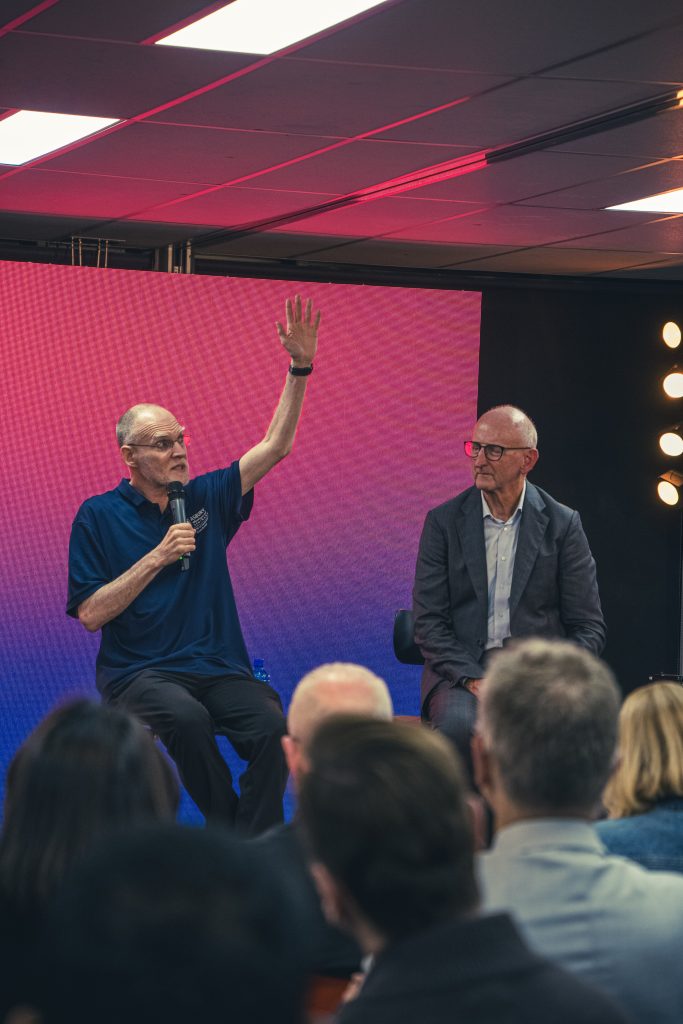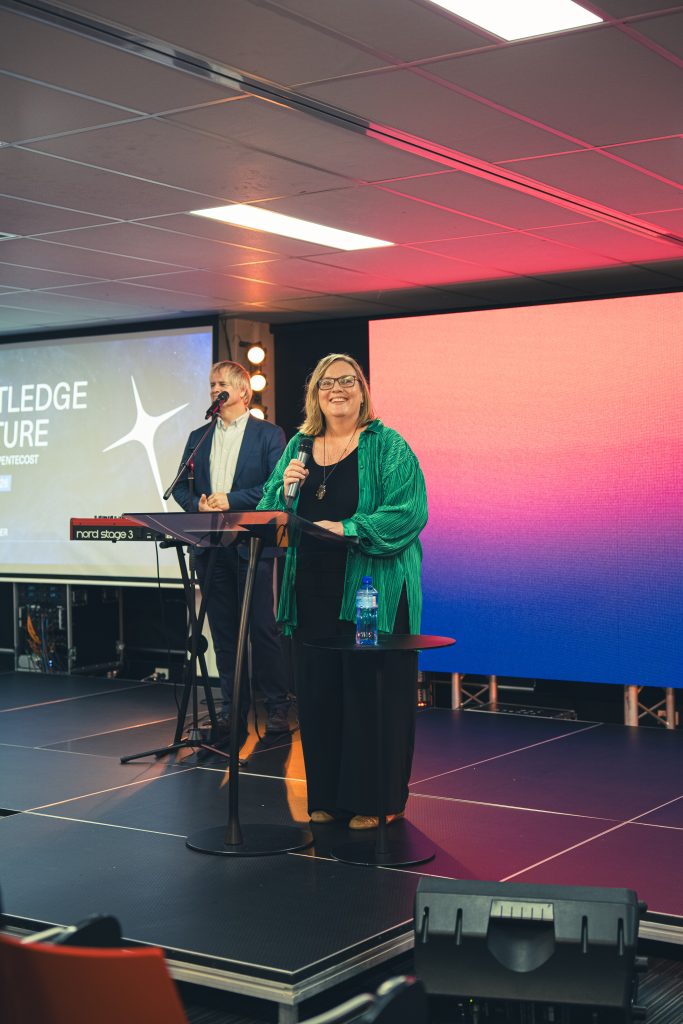
Australia’s leading gathering of Pentecostal scholars returned in 2026, with the Cartledge Lecture drawing the highest attendance in the event’s history and filling the room to capacity. The Cartledge Symposium brought together theologians, historians and educators from across the country to explore the enduring significance of Pentecost for church, academy and society.
Hosted by AC, the Cartledge Lecture and Symposium was founded in 2006 in honour of the life and ministry of David Cartledge, a former President of AC and a significant leader within the Australian Pentecostal church. The annual lectures focus on Pentecostal engagement with culture and society and provide a forum for exploring creative ideas relating to Pentecostalism in Australia and beyond. This year’s program spanned biblical studies, systematic and practical theology, higher education, and public life, reflecting the breadth of a movement now engaging seriously with its own intellectual tradition.
“This is really the most significant gathering of Pentecostal scholars in Australia,” said Professor Jacqui Grey, Director of the Australian Pentecostal Studies Centre.
On Thursday evening, Professor Craig S. Keener opened the symposium with the keynote address, “Miracles and Healing for Today: How Signs and Wonders Follow the Empowering of Pentecost.” During Friday’s symposium, he presented “The Spirit of Pentecost (Acts 1–2),” while Médine Keener explored “Miracles in the Congolese Revival.”
Several presenters explored the question of what makes Pentecost distinctive for the church today. John Griffiths argued that Jesus himself is the first to receive the “fullness” of the Spirit — a fullness now extended to his followers as well. Anne Bakker took a linguistic approach, applying speech-act theory to the tongues of Pentecost and drawing comparisons with the prophetic call of Ezekiel. Jon Newton framed the Spirit of Pentecost as a revolutionary force, one that unsettles comfortable institutions as much as it empowers them, while Layla Nahavandi examined how Pentecostal “primitivism” — the impulse to recover the life of the apostolic church — can open pathways to engagement with the wider Christian tradition.
Practical and pastoral concerns featured prominently too. Fraser Hannam explored the tension many pastors observe between spiritual gifting and spiritual maturity, arguing for an integration of “gifts and fruit” in a healthy Pentecostal ecclesiology. Karoline Kohl turned to the book of Job for Pentecostal communities navigating unanswered prayers for healing, while Esa Hukkinen proposed a model of “heutagogical,” self-determined discipleship rooted in Pentecost as an ongoing paradigm rather than a one-off historical event.
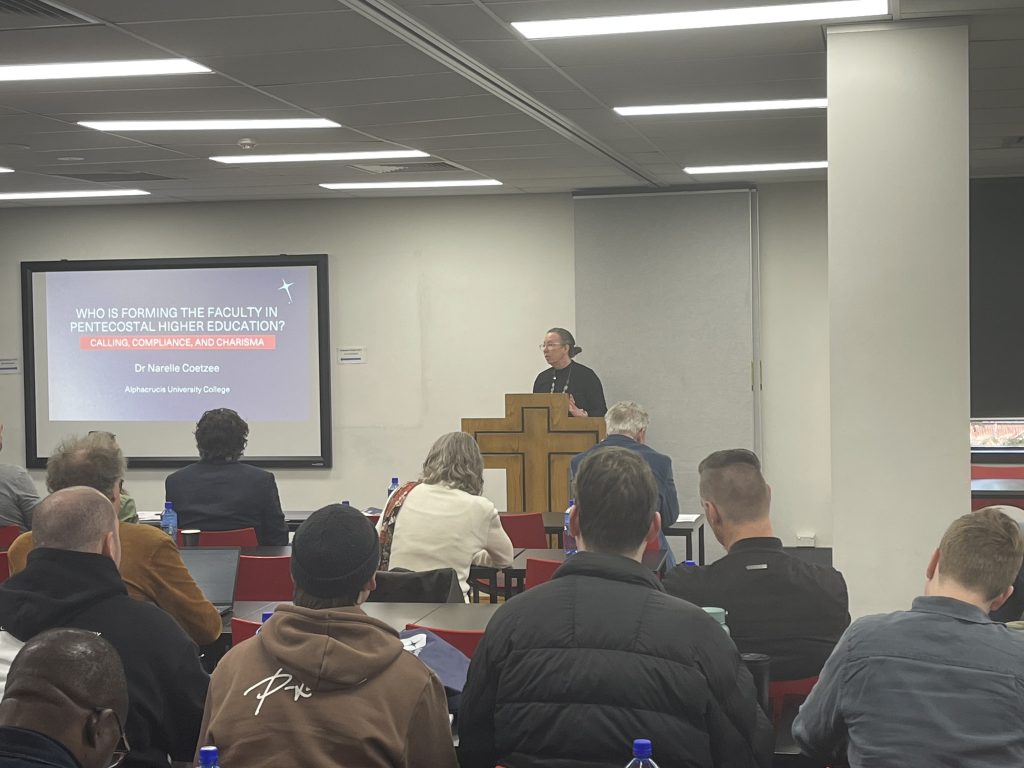
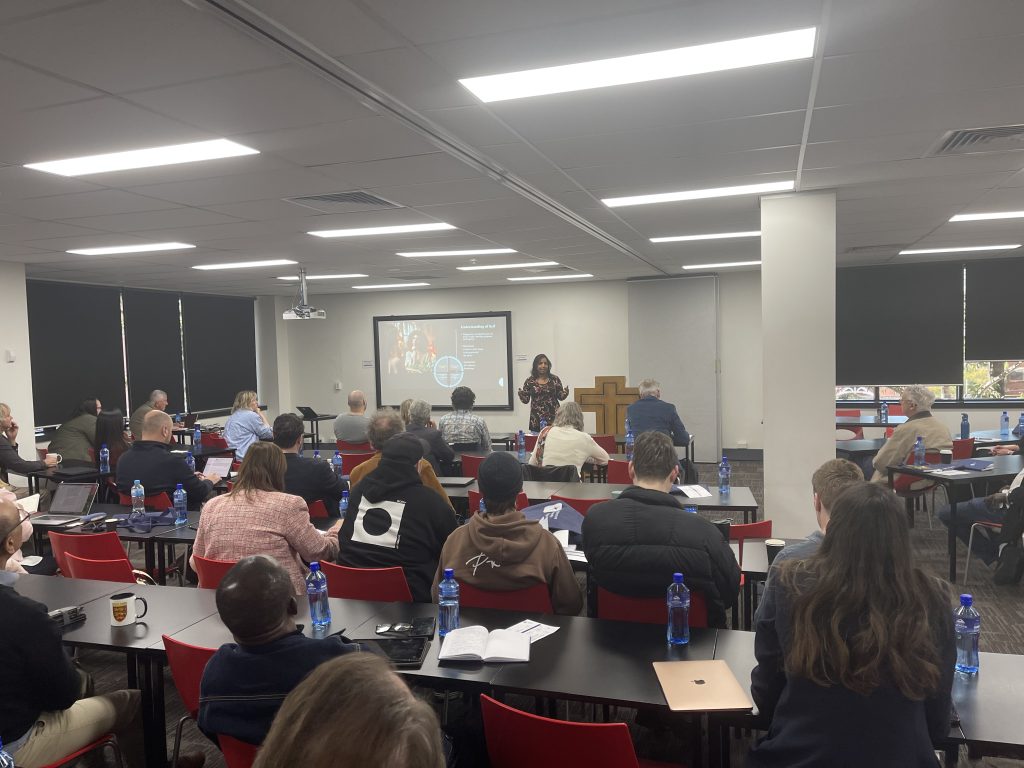
The symposium also offered constructive reflections on Pentecostal institutions in our time. Narelle Coetzee asked who is really forming Pentecostal identity among faculty in Christian higher education, while Lily Arasaratnam-Smith and David Perry offered a dialogue exploring what a “quadrant of understandings” framework for global competency might mean for Pentecostal pedagogy.
Beyond the walls of the church, Kristy Mills traced the evolution of Australian Pentecostal political engagement from 2010 to 2025, from the “charism”-driven minor-party politics of Andrew Evans to today’s more strategic, ecumenical approach to public life. And in a pair of papers bringing ecumenical perspectives into dialogue with Pentecostal thought, Neil Ormerod considered whether the Spirit can be institutionalised through the lens of Catholic Social Teaching, while Stuart Piggin reflected on the “charism” of local Anglican parish churches, asking what gives any local congregation its distinctive spiritual character.
Across the symposium, scholars, pastors, and church leaders considered how Pentecostal theology might illuminate the movement’s institutional life, formative practices and public presence, alongside questions and resources drawn from the broader Christian tradition.